
Growing Pineapples in Connemara
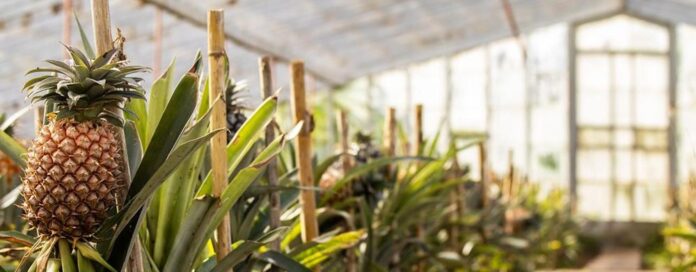
Let’s get exotic. This was a real and fascinating part of Victorian estate horticulture in Connemara. The best-known example is Kylemore Abbey, where the estate once had heated glasshouses and a productive walled garden that grew exotic fruits, including pineapples, in the 19th century.
What was happening
- Wealthy landowners in the 19th century used glasshouses, hotbeds, and heated pipes/flues to grow pineapples and other tender fruit in Ireland’s climate.
- At Kylemore, the Victorian garden complex included glasshouses and was part of an estate system designed to supply the house with fruit, vegetables, and prestige crops.
- Pineapples were not a commercial crop for ordinary farmers; they were a luxury estate product and a status symbol.
Why it mattered
- Growing pineapples in Connemara showed both wealth and technical sophistication: glass, heat, and careful labor were needed in a wet Atlantic climate.
- In Ireland, as in Britain, the pineapple was associated with hospitality, status, and abundance.
- The estate gardens were also practical, not just ornamental: they supported the household and demonstrated the owner’s ability to master the environment.
Connemara context
- Connemara’s climate is generally cool and wet, which makes pineapple growing impossible outdoors, but suitable for heated protected cultivation on a wealthy estate.
- Kylemore’s Victorian garden is the strongest documented example in the region, and it remains a key reference point for the history of pineapple culture in western Ireland.
Historical takeaway
This was not an “industry” in the modern sense, but rather a small elite estate horticulture system. The pineapples of Connemara belonged to the world of grand houses, gardeners, and expensive glasshouse technology, not commercial farming.
Introduction: The Pineapple as a Symbol of Luxury
The pineapple is a tropical plant native to South America, first encountered by Europeans when Christopher Columbus encountered it on Guadeloupe in 1493. He named it “piña de Indes” (pine of the Indians), which later became pineapple in English.
By the 16th–18th centuries, the pineapple had become a sign of power, wealth, and hospitality in Europe. During its peak popularity, a single pineapple could cost £5,000 in today’s money. To have a pineapple grace your dining table was to show society that you had “arrived.”
Pineapples in Ireland
18th Century: The Hillsborough Pineapple King
Hillsborough Castle in County Down (built by the Hill family in 1750) became famous for its pineapple cultivation:
- The Hills were very wealthy and owned extensive lands in northeast Ireland.
- They hosted dinners of 500+ guests and found a way to grow their own pineapples in specially heated greenhouses.
- This showed how much wealth the Hills (later the Marquesses of Downshire) had: if you could grow pineapples in Ireland’s climate, you had “arrived.”
- The pineapple became a symbol of hospitality, wealth, and refinement, the centerpiece at the dinner table of the rich and fashionable.
Educational panels at Hillsborough Castle now tell the story of the Hillsborough pineapple.
19th Century: Connemara’s Tropical Twist
The most famous example of pineapple growing in Ireland is Kylemore Abbey in Connemara, County Galway:
- The Victorian estate had 21 heated glasshouses where exotic fruits including bananas, pineapples, and figs were grown.
- The ingenious heating system for the glasshouses produced fruit that would have been highly unusual for the time and place.
- Not everyone had access to these foods; this was an elite estate product, not commercial farming.
Other Irish estates also grew pineapples:
- Strokestown Park in Roscommon: “Pineapples, figs, and plants from far-off places once flourished in the gardens.”
- Woodlawn House: Pineapple heads carved as decoration on the rooftop, a symbol of hospitality.
Why Pineapples in Ireland?
- Climate: Ireland’s climate is cool and wet, making pineapple growing impossible outdoors.
- Technology: Wealthy landowners used glasshouses, hotbeds, and heated pipes/flues to coax tropical fruit to grow.
- Prestige: Growing pineapples in Connemara showed both wealth and technical sophistication.
- Practical: Estate gardens were not just ornamental; they supported the household and demonstrated the owner’s ability to master the environment.
The 20th Century:
From Luxury to Common Decline of the “Pineapple Stove”
- By the 1820s, pineapple was commercially grown in greenhouses and tropical plantations.
- James Dole (American industrialist) started a pineapple plantation (Hawaiian Pineapple Company) on Lana’i in the early 1900s, producing three-quarters of the world’s pineapple within years. This company became the Dole Food Company.
- By the 1950s, cheap and fresh pineapples became widely available.
Modern Ireland
- Today, pineapples in Ireland usually come from Costa Rica, Colombia, Panama, or the Ivory Coast and take two years to develop in the tropics.
- 2020: A Malahide resident, Noreen Handley, successfully grew a pineapple in her conservatory after seeing a video on replanting pineapple leaves.
- 2025: Someone tried growing pineapples in a shaded courtyard in Phoiboro and it did not go well—highlighting that while possible, it requires warm conditions above 15°C (59°F) all year round.
Summary Timeline
| Period | Development in Ireland | |
| 16th century | Pineapples imported from South America (expensive, often rotten) | |
| 1750 | Hillsborough Castle grows pineapples in heated greenhouses | |
| 1800s | Kylemore Abbey (Connemara) has 21 heated glasshouses | |
| 1800s | Strokestown Park, Roscommon grows pineapples and figs | |
| 1820s | Commercial greenhouse cultivation begins worldwide | |
| 1900s | James Dole’s Hawaiian plantation makes pineapples cheap | |
| 1950s | Cheap and fresh pineapples widely available | |
| 2020 | Noreen Handley grows pineapple in Malahide conservatory | |
| Present | Mostly imported; occasional successful home-grown attempts | |
Key Takeaways
- Pineapples were a luxury status symbolin Ireland until the mid-20th century.
- Heated glasshouseswere essential for growing them in Ireland’s climate.
- Kylemore Abbeyin Connemara is the best-documented 19th-century example.
- The Hillsborough Pineappleat Hillsborough Castle had a famous reputation in the 18th century.
- Modern pineapplesare imported commercially; home-grown attempts remain rare but possible in conservatories.
Growing pineapples in Ireland was always a Victorian estate horticulture system, not commercial farming—a small elite hobby demonstrating wealth and technical mastery over the environment.